Declassified Competitive reading
Foreign psychoenergetics assessments
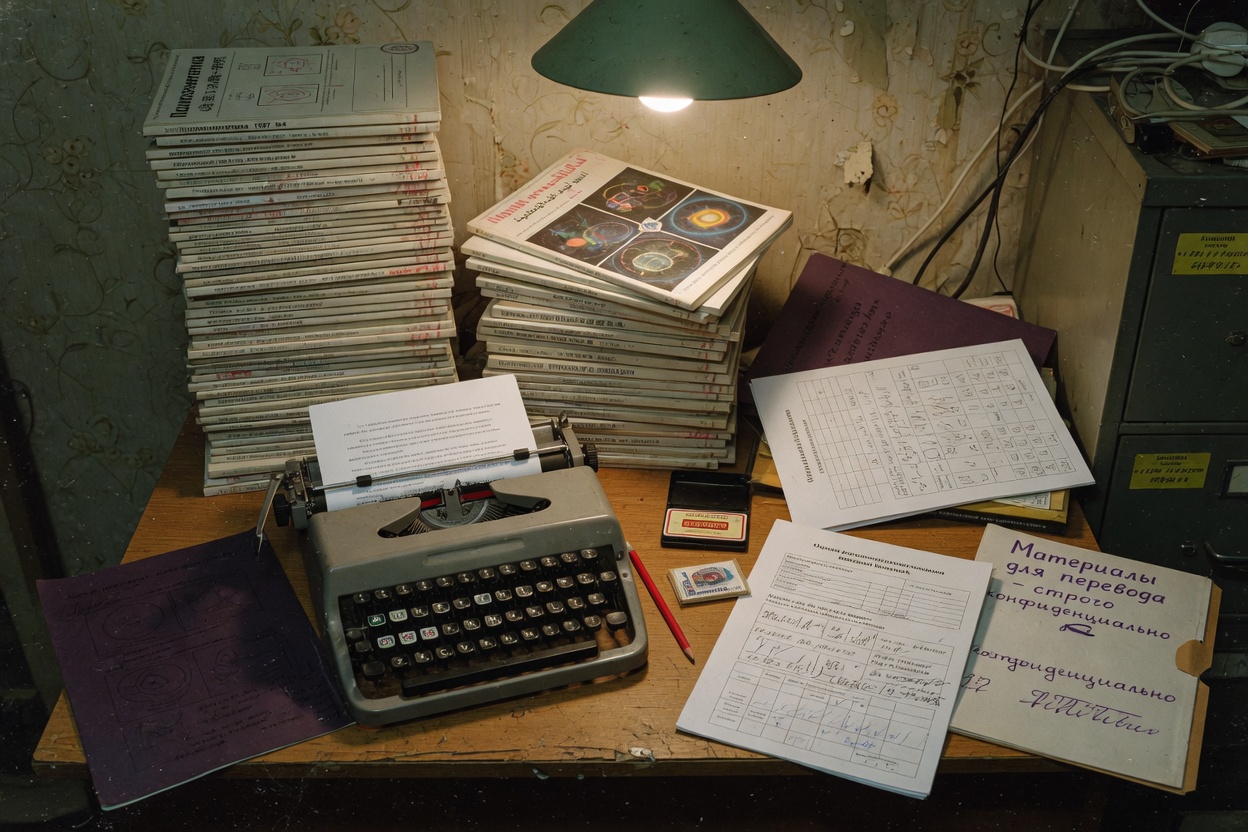
U.S. intelligence tracked Soviet-bloc “psychoenergetics” and related claims. These files help explain the investment rationale: fear of a psychic gap. Assessments are not endorsements of foreign claims.
A great deal of American anomalous research in this period is downstream of a rumor about the other side. U.S. intelligence tracked Soviet-bloc “psychoenergetics,” psychotronics, and related claims. Those assessments live in the STAR GATE collection beside Grill Flame paperwork. They help explain the investment rationale: fear of a psychic gap. They are not endorsements that the foreign claims were true.
What the files are
Competitive literature reviews, often second-hand, sometimes alarmed. Analysts asked what the other side appeared to be funding. GONDOLA WISH is the Army staff-study chapter of that worry. Later RDP96 folders continue the foreign-assessment habit while the U.S. shop ran its own viewers at Fort Meade. That is ordinary intelligence behavior. It is also a way to move weak claims into budgets.
What they are not
They do not tell you that psychotronics worked in Moscow any more than Grill Flame’s inner statistics tell you it worked at Fort Meade. A threat file is not a replication. A translated rumor is not a session. If a later story needs “the Soviets had it too” to complete a plot, go back to the PDF and see whether you are holding an assessment, a clipping, or a hope.
How to read them on this shelf
Pair foreign assessments with Gondola Wish (the worry) and with the 1995 close-out (the stop). The sequence is competitive fear, a U.S. shop, an argument about utility. Consciousness-and-audio (Gateway) is a different hallway. Remote viewing is this one.
Editorial reading of declassified material. The official PDF is authoritative. Not medical, legal, or intelligence advice. Not a claim that consumer audio recreates historical units. The live lab is observational, not proof.