Research Caveats
Frequency-following response & entrainment caveats
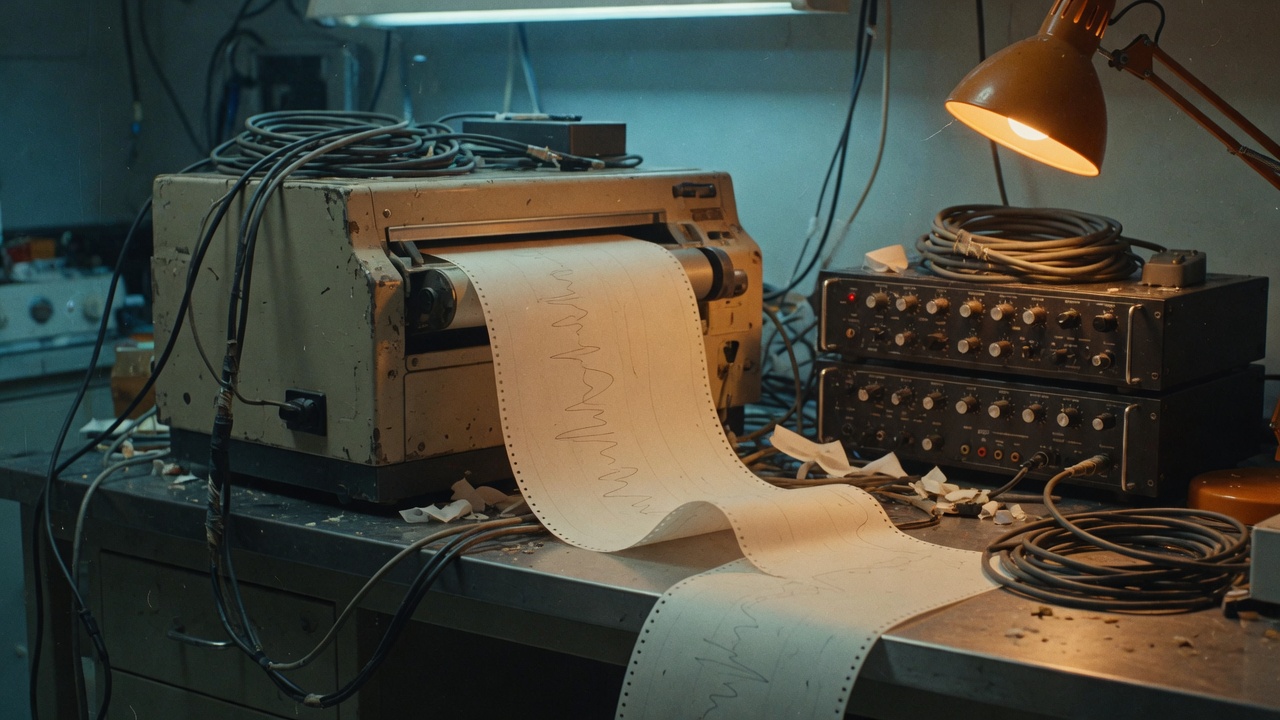
Marketers love the word entrainment. Scientists use more precise terms: phase-locking, steady-state responses, frequency-following responses (FFR), and auditory steady-state responses (ASSR) — each with specific stimuli and recording methods.
FFR / ASSR in brief
The auditory system can produce electrical responses that track the envelope or periodicity of sound. These are measurable with EEG/MEG under lab conditions. That fact is often stretched into “this 10 Hz beat forces your entire cortex to 10 Hz like a metronome.”
What we can say carefully
- Dichotic pure tones can create a perceived beat (Oster, 1973).
- Periodic auditory stimulation can drive measurable neural responses at related rates in experimental settings.
- Consumer headphones + browser oscillators ≠ a published FFR protocol.
- Behavioral outcomes (anxiety, memory) can occur without proving a specific cortical entrainment story for every user.
BBM policy: We design true-stereo frequency arcs and publish program pages with honest copy. We do not claim guaranteed EEG matches or medical entrainment therapy.
Open the Console · Engineering methodology
References
- Oster, G. (1973). Auditory beats in the brain. Sci Am. PMID 4727697
- Garcia-Argibay et al. (2019). Behavioral meta-analysis of binaural beats. doi:10.1007/s00426-018-1066-8
- For FFR/ASSR methods, see auditory neuroscience reviews on envelope following responses (PubMed: “frequency following response speech” / “auditory steady-state response”).
Educational only. Not medical advice. Headphones required for a true binaural beat. Individual responses vary.
Guides · Paper shelf · Console · Membership