Astral AP-01
AP-01 // Window
AP-01 // WINDOW — lie down. Headphones. Stay with the body. Do not chase a result. This is familiarization with relaxed wakefulness and the edge of sleep, not a switch that causes projection.
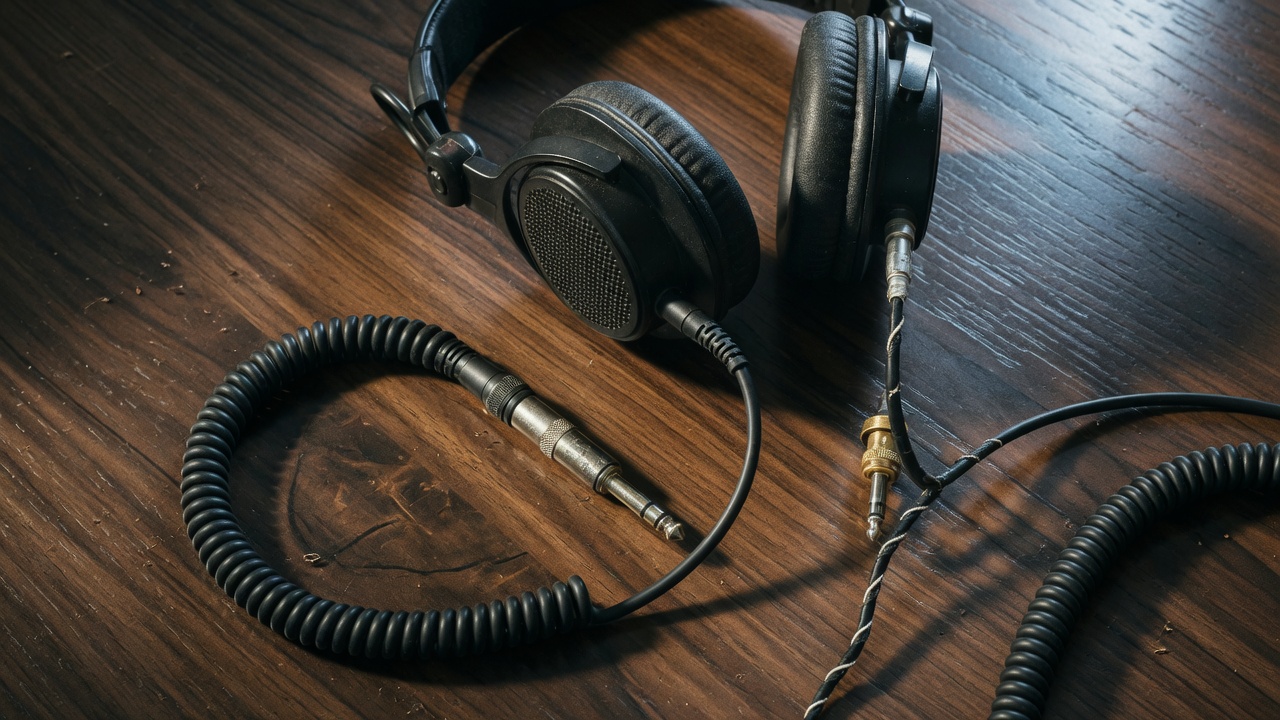
What Window is and is not
Window is the first door. It is a short session for an operator who needs to know what this console feels like while remaining with the body. Lie down or recline. Stereo headphones. Notice breath, afterimages, the weight of the hands, the small theater at the edge of sleep. Do not hunt an exit. Do not wait for a movie. The job is to remain present enough to say, afterward, what the fifteen or twenty minutes contained.
What it is not: a medical alpha state. A clinical treatment. A Gateway tape. A demonstration that 10 Hz “does” anything metaphysical. A night you should run in a car, at a desk you must stay sharp at, or on a morning you owe other people. It is not a promise that you will leave your body. This desk does not make that promise on any door.
Why a familiarization bed exists at all: most modern projection methods are sleep-edge methods, and most first-night operators arrive with a caption already loaded. They put on headphones, they wait for vibration as if vibration were a diploma, they panic or they fall asleep, and they call the console a fraud or a miracle depending on the mood. Window is designed to interrupt that. You learn the tones. You learn your own falling-asleep. You learn that “nothing cinematic happened” is a report, not a failure of the machine.
Window sits nearest the meditation / trance card on Methods — sustained attention without a required sleep-interruption. Historical cousins are not owners of this session. Doctrine if the three questions blur: Start Here.
Audio design, exposed
Carrier approximately 200 Hz. Beat approximately 10 Hz — an alpha-range difference. Duration 15–20 minutes. Low volume. Optional quiet rain bed. Headphones required. These numbers are a design, not a metaphysical constant. An operator who changes them must write the change.
Oster (1973) contrasted dichotic presentation — one tone per ear — with monaural beats mixed in the air. Window uses the dichotic setup. Speakers will not do. Garcia-Argibay, Santed & Reales (2019) pooled behavioral studies; effects on some measures were small-to-moderate and design-sensitive. That paper is not an OBE trial. History: Binaural history. A 10 Hz difference is a listening choice for quiet wakefulness, not a physiology paper. Window is short so Return happens while recall is warm. A long descending bed is AP-03, not this door.
How to run it
Choose a bed or a chair you can leave. Dim the room enough that the visual field is uninteresting, not so dark that you will be frightened if hypnagogic imagery arrives. Phone down. Clock named: you will sit up when the session ends, even if you would rather roll over. Put the headphones on. Set volume so the tones are present and not impressive. Optional rain stays quieter than the tones.
Lie down. Stay with the body. Breath is enough of an object. If attention wanders to a result — “is this it,” “when do I vibrate,” “why isn’t this like the forum” — notice the wandering and return to the body-map. If sleep comes, let it; this is not a contest against sleep. If sleep does not come, that is also a night. When the timer ends, do not bargain for five more minutes of chasing. Sit up. Run AP-06 Return.
Run Window more than once before stacking WBTB or a 55-minute rope sit. Familiarization is how you learn your own confound: expectation. If an imagined “exit” in ordinary daylight later feels identical to a 3 a.m. report, say so in the notes. Do not silently upgrade the night because a doctrine required an upgrade.
What to journal
Write while it is warm. Date, clock time, how much sleep you already had, whether you interrupted the night. Method: AP-01 Window. Audio: carrier ~200 Hz, beat ~10 Hz, duration, rain on or off, volume in ordinary words (“low,” “too loud, lowered”). Sensations: body-boundary, breath, imagery, sound-in-the-head, heaviness, nothing in particular. Experience class in the operator’s own working language — ordinary rest, hypnagogia, dream, felt location change, paralysis, mixed, unsure. Confidence as a number you can defend, not a vibe. Any target you set, even if the target was “stay with the body.”
Interpretation in a separate sentence. “I felt myself float” is experience. “My consciousness left” is interpretation. “I independently perceived the hallway” is a scientific claim and requires a method you probably did not run. Keep them apart. Rapid decay is ordinary. Do not reconstruct from a school’s checklist in the morning and call it data. How reports are treated on this floor: Field reports.
Failure modes
Chasing. Volume as ambition. Speakers. One ear. Running Window as a disguised projection attempt and then being angry at the familiarization frame. Stacking three Windows in a row because the first one “didn’t take,” as if the beat were a dose. Falling asleep and waking with a story already interpreted. Treating hypnagogic glitter as a place. Treating a quiet night as proof that “beats do nothing,” which is a different claim than “this night was quiet.”
A subtler failure: using Window as a way to skip Safety. The short duration does not make the standing rules optional. If you would not meditate in that chair, you do not run a protocol in that chair. If distress arrives — panic, a presence you cannot metabolize, a conviction that you must not move — sit up. Lights. Name the room. The session is over. Sleep paralysis, if it comes, was named in advance on the safety page; it is not “almost there,” and it is not an attack. See Sleep, lucidity, paralysis for the cluster of states this door can brush.
Safety and stop rules
No driving, machinery, heights, water, or any task where falling asleep or dissociation is dangerous. No medical-treatment claims: this is not a device for anxiety, insomnia, epilepsy, or PTSD as clinical indications. Volume stays comfortable. Stop if distressed. Return even if “nothing happened.” Full rules: Safety.
Window is the right door when you want to know the instrument. It is the wrong door when you want a verdict on the scientific claim. A short alpha-range bed does not answer it. You are allowed to investigate anyway.
ENGAGE Window on the Experience tab
Bibliography
- Oster, G. (1973). Auditory beats in the brain. Scientific American, 229(4), 94–102. PMID 4727697
- Garcia-Argibay, M., Santed, M. A., & Reales, J. M. (2019). Efficacy of binaural auditory beats in cognition, anxiety, and pain perception: a meta-analysis. Psychological Research, 83, 357–372.
- Moix, J., Baldaccini, S., & Isern, M. (2025). Out of body experiences: scoping review. EXPLORE, 21(4), 103196. PMID 40540759
- Monroe, R. A. (1971). Journeys Out of the Body. Doubleday — origin narrative for later audio culture; not this session.
Educational only. Not medical advice. Headphones required for a true binaural beat. Not affiliated with the Monroe Institute. Experience is not interpretation is not a scientific claim.