Astral Instrument
Audio parameters plus a practice frame
A protocol on this desk is not a spell. It is a named listening design plus a practice frame, with the numbers written where an operator can see them. If you cannot name carrier, beat, duration, and bed, you are not running a BBM protocol. You are hoping.
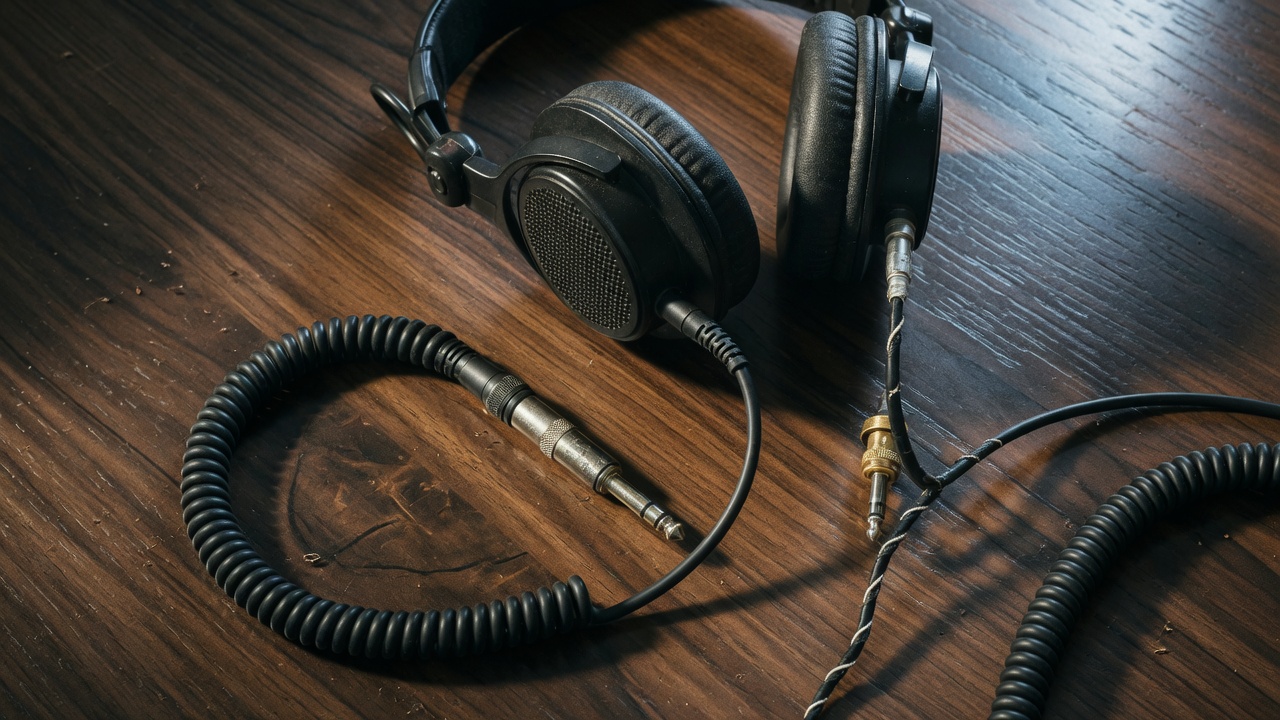
What a protocol is
On this desk a protocol is a public object. It has a number, a name, an audio design, a practice frame, a journal requirement, and a safety boundary. It is not a scientifically established physiological sequence. It is not a copy of another organization’s proprietary program. It is not a metaphysical switch. It is a way for an operator to do the same kind of night more than once, and to write what happened without having to invent the conditions after the fact.
Practitioner culture is thick with unnamed tracks, borrowed Focus language, and captions that treat a beat frequency as a drug. This archive refuses that. Experience remains a first-person report. Interpretation remains what the report is taken to mean. A scientific claim about independent perception outside the body remains unfinished. Read Safety before any door. Read Semantics so the words do not steal each other’s clothes. Methods if you want the craft encyclopedia without a timer.
Exposed parameters
Every door on this floor publishes the same four facts, in working language: carrier frequency, beat frequency, duration, and bed. Carrier is the tone sent to one ear. Beat is the difference constructed when the other ear receives a close neighbor. Duration is clock time, not a mythic interval. Bed is whatever else is in the mix — rain, silence, a timed descent, a return. If a later operator disagrees with a number, the disagreement can be written. That is the point of exposing it.
Gerald Oster’s 1973 Scientific American article, “Auditory Beats in the Brain” (PMID 4727697), is the scientific doorway for the percept. Oster contrasted binaural beats — dichotic, one frequency per ear, the pulse constructed centrally — with monaural beats mixed in the air. That distinction still decides whether headphones are required. It does not decide whether a night “worked.” Garcia-Argibay, Santed & Reales (2019) pooled behavioral studies; average effects on some measures were small-to-moderate and design-sensitive. That literature is not a projection literature. Do not launder one into the other. History: From binaural beats to altered-state audio. This floor will not hide a carrier behind a trademark, rename a session after a Gateway tape, treat a government assessment as a user manual, or promise a result. Unnamed audio is atmosphere.
Six doors
Six named designs. Each has its own essay. Window first, unless you already know this console. WBTB only if the next morning does not own you. Rope is a long sit on a published program, not a reprint of a book. Monroe-inspired is an attitude plus our carriers, not an institute. Phase is a taxonomy of deferred work after waking, not a three-day guarantee. Return is not optional. If you skip Return you did not run an experiment. You collected a mood.
AP-01Window — ~200 Hz · 10 Hz · 15–20 min. Familiarization.
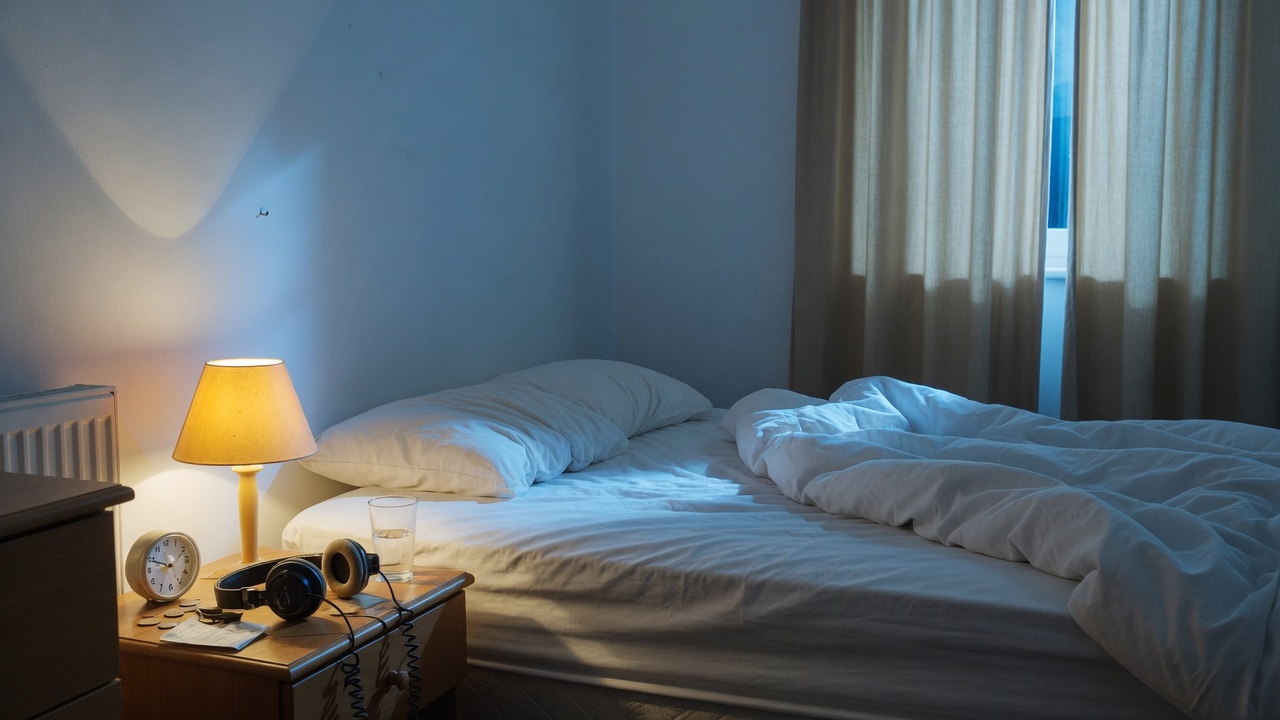 AP-02WBTB — wake window, then ~80 Hz · 7 Hz · ~15 min.
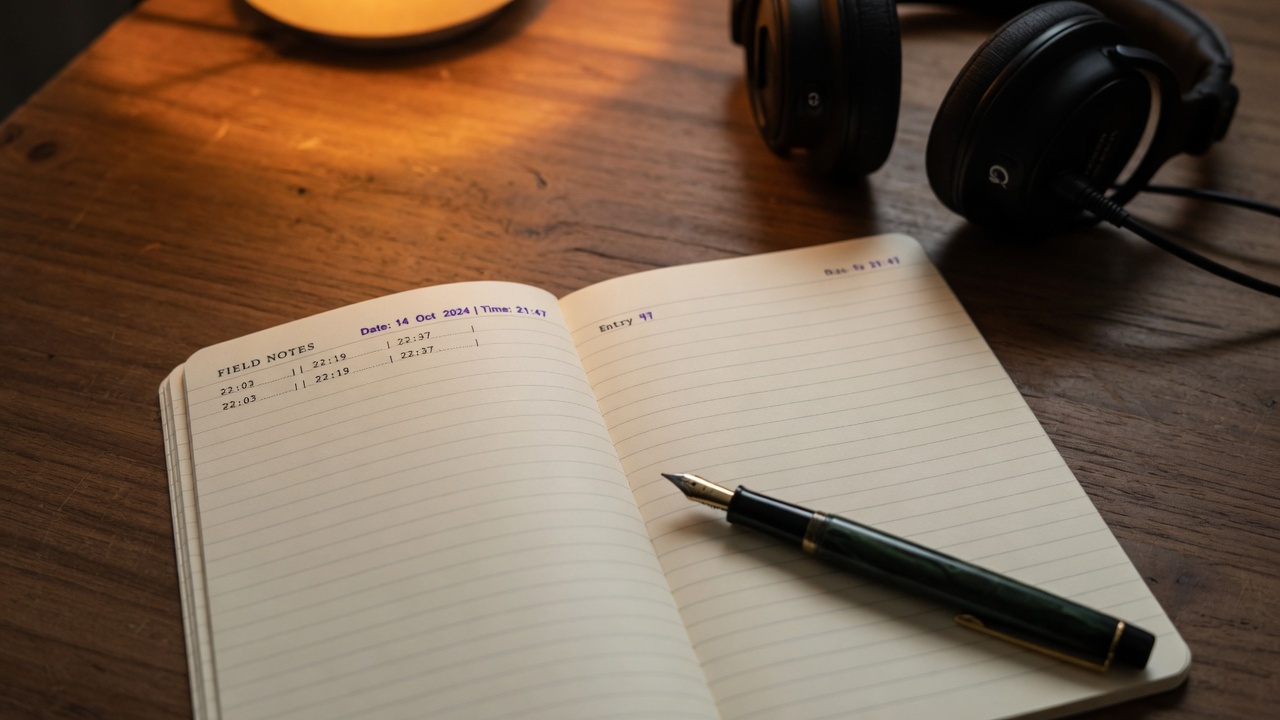 AP-03Rope — Astral Projection program, 55 min, tactile imagination.
AP-04Monroe-inspired — our carriers, their historical influence, not their product.
AP-05Phase — short deferred-method support. No three-day claim.
AP-03Rope — Astral Projection program, 55 min, tactile imagination.
AP-04Monroe-inspired — our carriers, their historical influence, not their product.
AP-05Phase — short deferred-method support. No three-day claim.
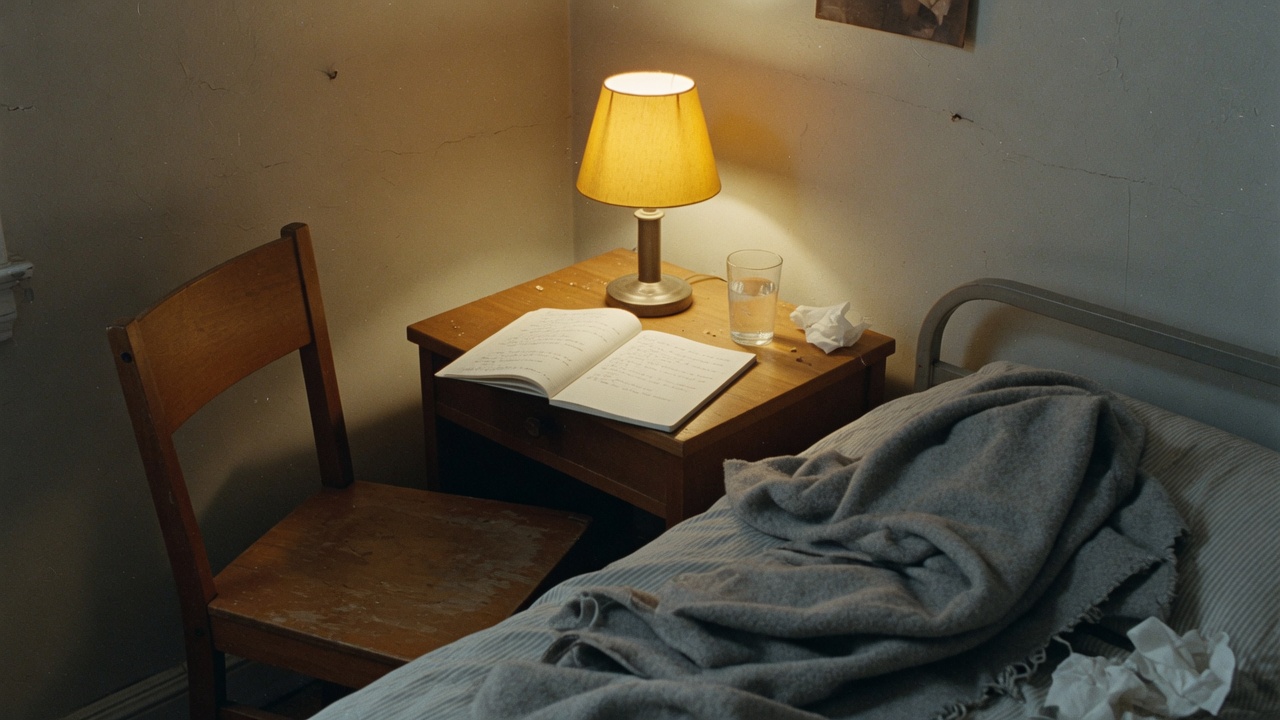 AP-06Return — grounding and journal. Not optional.
The Experience-tab ENGAGE on each door is a stereo generator, not a diploma.
The synthesis, labeled
Modern English manuals, internet curricula, and this floor’s own craft page keep repeating a shape. The shape is useful as a map of instructions. It is not a proven physiology. It is not a secret shared by every culture on the Atlas. It is a synthesis of recurring modern practice, and it must wear that label or it becomes a church.
Preparation is the room and the decision not to drive afterward. Relaxation is ordinary: jaw, hands, breath. Attention stays with the body-map or a tactile image without turning the night into a chase. Sleep/dream transition is the edge most modern methods actually use; if you do not know REM atonia, lucidity, and hypnagogia, you will misname your night — Sleep. Observation notices without baptizing. Vibration is a reported motif, not a required gate; panic ends the session. A separation attempt is a method verb, not a promise. Return and journal close the loop. Without them the rest is folklore. This floor times a few beds from the Methods encyclopedia. Schools remain schools: Monroe, Bruce, Buhlman, Raduga, and the people who refuse them. Read two.
Headphones, Oster, the mix
Headphones are required for a true binaural beat. Stereo speakers mix the two ears in the air; the beat you then hear is monaural, not Oster’s central comparison. One-ear listening is not the experiment. Volume stays comfortable. Tinnitus is not a spiritual credential.
The percept is real. The marketing is not. “10 Hz causes projection” is unsupported. “Binaural beats are useless” is a different unsupported claim: some outcome literatures are mixed, not empty. We generate true stereo, expose the numbers, and place them next to practice frames OBE and lucid-dream cultures already use. We do not pretend a browser has settled the scientific claim. Bodies, stimulation, and reports: research desk, including Moix, Baldaccini & Isern’s 2025 scoping review of 87 OBE publications.
How to work this floor
Lie down or recline in a place you can leave. Not a car. Not a shift. Not a night you owe other people your waking attention. Put the headphones on. Name the protocol before you start: AP-01 through AP-06, carrier, beat, duration, bed. Stay with the frame. Do not chase a cinematic exit. If distress arrives, sit up. Lights. Name the room, the date, your full name. The session is over. You do not push through terror for a screenshot.
When the audio ends, run Return. Body, room, time, notes. Sleep, method, audio parameters, sensations, experience class, confidence. Interpretation in a separate sentence. Rapid decay is ordinary. Reconstructing the hour from a school’s checklist tomorrow is not data. Field reports. Doctrine: Start Here. Floor-wide failures: unnamed audio; speakers; sleep-loss as virtue; vibration as demon or diploma; skipping the journal; calling a hypnagogic hallway a verified hallway; running our tones under an institute’s names. “Nothing happened” is a result. Write it.
The signal is ours. The experiment is yours. The explanation remains open.
Open Protocols on the Experience tab
Bibliography
- Oster, G. (1973). Auditory beats in the brain. Scientific American, 229(4), 94–102. PMID 4727697 · BBM reading
- Garcia-Argibay, M., Santed, M. A., & Reales, J. M. (2019). Efficacy of binaural auditory beats in cognition, anxiety, and pain perception: a meta-analysis. Psychological Research, 83, 357–372. BBM reading
- Moix, J., Baldaccini, S., & Isern, M. (2025). Out of body experiences: scoping review. EXPLORE, 21(4), 103196. PMID 40540759
- Monroe, R. A. (1971). Journeys Out of the Body. Doubleday.
- Stumbrys, T., Erlacher, D., Schädlich, M., & Schredl, M. (2012). Induction of lucid dreams: a systematic review of evidence. BBM reading
Educational only. Not medical advice. Headphones required for a true binaural beat. Not affiliated with the Monroe Institute. Experience is not interpretation is not a scientific claim.