Research Carrier vs beat
Carrier frequency research notes
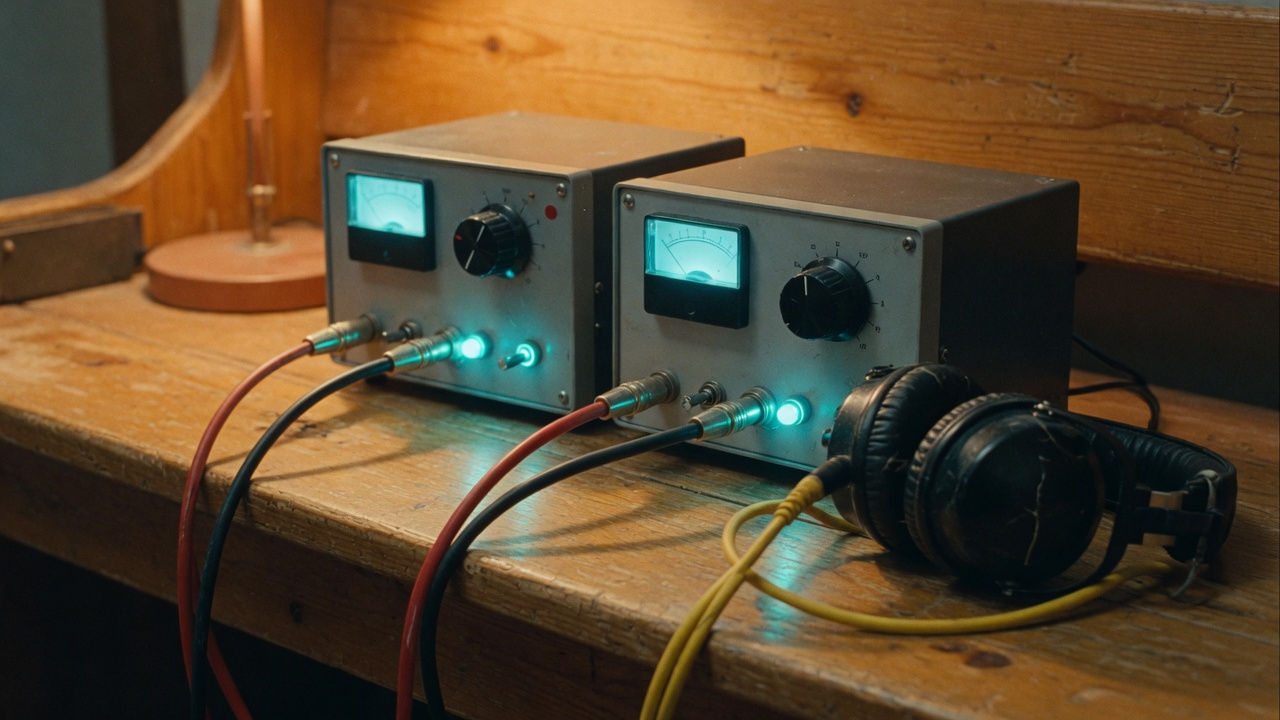
Every binaural design has two numbers people confuse: the carrier (the audible pitch in each ear, e.g., 100 Hz vs 108 Hz) and the beat (the difference, e.g., 8 Hz).
Why carriers matter
- Perceptibility of the beat — classic work notes binaural-beat perception is stronger at lower carriers and weakens as carriers rise into the high hundreds of Hz (Oster’s discussion of limits).
- Comfort & fatigue — piercing mid/high pure tones fatigue ears faster during 45–90 minute programs.
- Masking / noise beds — rain/brown noise changes detection of the beat without changing the mathematical difference.
BBM design preference
Many of our long programs use warm low-to-mid carriers (often roughly 60–150 Hz class beds, with intentional climbs for energy programs) so multi-phase sessions stay listenable. See program pages for carrier arcs in plain language.
Deep Sleep DescentWarm low carriers into delta intentions
Morning Focus RiseLow→higher carrier climb
Creative FlowLong session comfort design
References
- Oster, G. (1973). Auditory beats in the brain. Sci Am. PMID 4727697
- Site methodology
Educational only. Not medical advice. Headphones required for a true binaural beat. Individual responses vary.
Guides · Paper shelf · Console · Membership