Research Outcomes · sleep
Binaural beats & sleep research
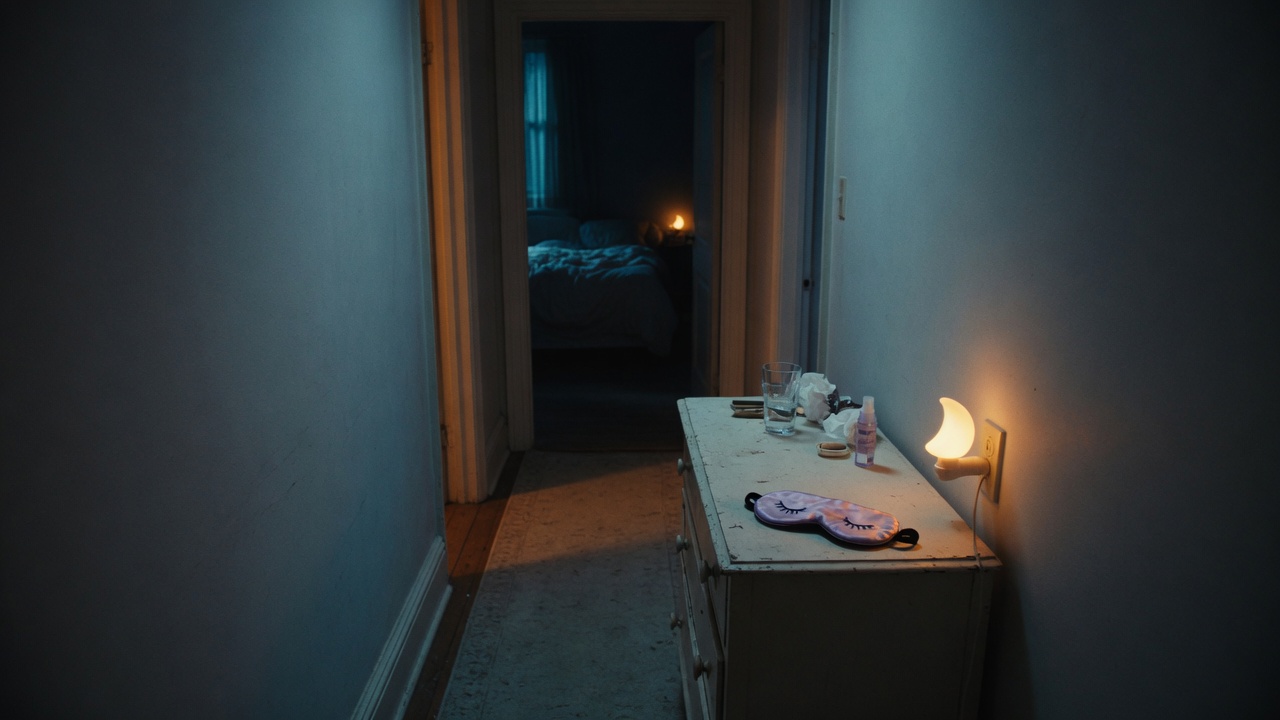
Sleep is the outcome people search most — and the domain where marketing claims most often outrun evidence. EEG delta is real; “this track puts you into stage 3 sleep” is usually not proven for a specific consumer file.
What is solid
- Delta EEG (~0.5–4 Hz) is central to slow-wave sleep science.
- Binaural beats can be constructed with delta-range difference frequencies for a perceived slow pulse.
- Relaxation and anxiety reduction (better-supported domains) may indirectly help some people fall asleep by lowering arousal.
What is weak or mixed
- Large, consistent RCTs showing binaural beats cure insomnia are not the standard of care.
- Polysomnography (lab sleep staging) is rarely applied to free YouTube tracks.
- Falling asleep with earbuds has mechanical/comfort risks.
Best practice: Use sleep programs as a wind-down ritual with dim light, low volume, and a fixed bedtime — same way you might use quiet music or a body scan.
Free sleep programs
Deep Sleep DescentFlagship night arc
Evening Wind-DownPre-sleep
Insomnia Soft LandingGentle framing
Power NapShort rest
Velvet Void SleepLong-form journey
Start Deep Sleep Descent → · Sleep practice guide →
References
- Sleep EEG / slow-wave sleep — standard sleep medicine references (AASM staging).
- Garcia-Argibay et al. (2019). Anxiety/cognition meta-analysis (indirect arousal pathways). doi:10.1007/s00426-018-1066-8
- Delta research article
Educational only. Not medical advice. Headphones required for a true binaural beat. Individual responses vary.
Guides · Paper shelf · Console · Membership